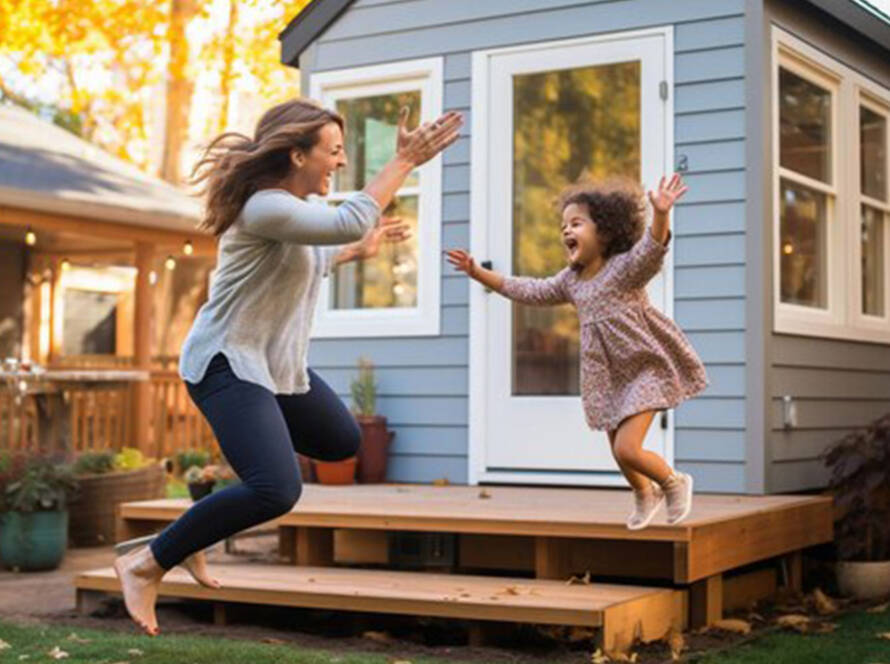
When most people imagine tiny homes, they often picture a minimalist individual or a couple enjoying the freedom of a downsized lifestyle. But what about families? Can kids and parents really live—and thrive—in a small space? The answer is yes. While living in a tiny home with a family requires creativity and adaptability, it also offers surprising rewards, especially when designed intentionally.
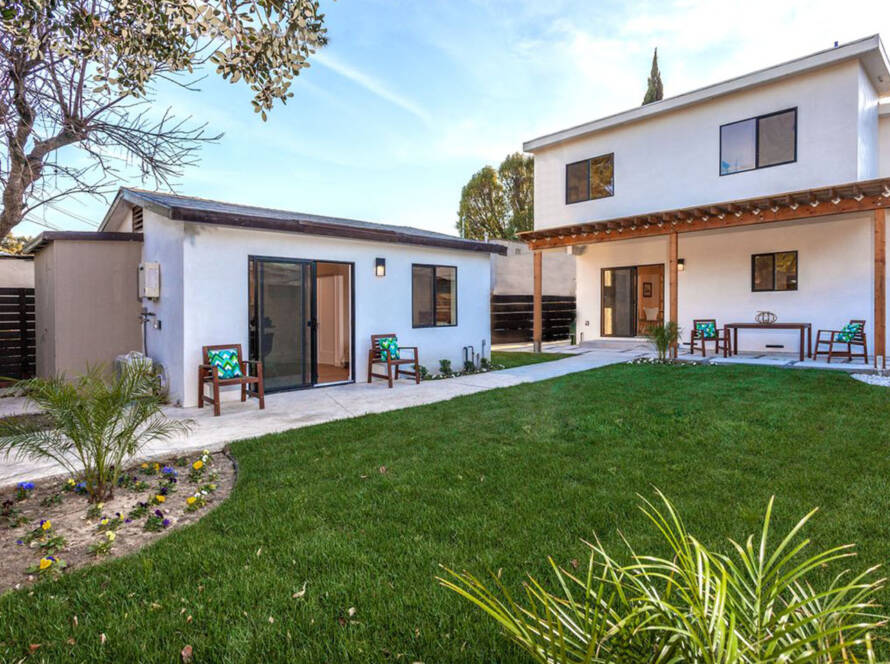
For families in places like Ontario, where housing costs are high and space is at a premium, tiny homes Ontario has embraced offer an affordable, efficient, and meaningful alternative. Whether you’re building a standalone petite home, adding a laneway suite as an additional dwelling unit, or exploring options from tiny home builders in Ontario, the concept of family-friendly small homes is becoming increasingly realistic—and appealing.
Making Space for Everyone
One of the biggest challenges in family tiny living is ensuring that everyone has their own personal space. That might mean installing a loft for the kids, using sliding doors or curtains for privacy, or creating multi-functional areas that shift between sleeping, learning, and play.
Many families turn to custom layouts designed by experienced tiny home builders who understand the need for smart storage, flexible furniture, and tailored solutions. Think bunk beds with drawers, under-floor storage, and convertible dining tables. These features help families stay organized without feeling cramped.
Rethinking “Stuff”
Living in a tiny house in Ontario as a family means redefining what you need to own. It’s easy for families to accumulate clothes, toys, kitchen gadgets, and “just-in-case” items—but limited space forces you to be intentional.
Parents often implement rotating toy systems, where only a few toys are out at once, and the rest are stored for future use. Shared wardrobes, digital media libraries, and a focus on experiences over things help keep clutter in check. Borrowing books from the library or gifting family outings instead of physical presents becomes part of the culture.
Tiny living teaches kids (and parents) to appreciate what they have and to choose belongings with care—values that can last a lifetime.
Establishing a Functional Routine
In a small space, structure is essential. Family life works best when everyone has a role and there’s a rhythm to the day. From schoolwork to meals to bedtime, routines help maintain order and reduce friction.
Many families in tiny homes treat the outdoors as an essential extension of their living space. In urban areas, this could be a nearby park; in suburban or rural setups, it might mean a garden or patio. For those with laneway homes or additional dwelling units, shared yard space with the main residence becomes especially valuable.
Even in colder months, getting outside gives everyone a mental reset and prevents the feeling of being “cooped up.”
Why Families Choose Tiny Living
Despite the challenges, there are major advantages to raising a family in a small home:
- More Time Together: Less space means less cleaning and maintenance, leaving more time for meaningful connection.
- Financial Freedom: Lower housing costs can allow parents to work fewer hours or pursue more flexible careers.
- Stronger Bonds: Close quarters often lead to stronger communication and tighter family dynamics.
- Intentional Living: Kids grow up understanding the value of space, shared resources, and thoughtful living.
Many families choose tiny home ownership not just for cost savings, but for the lifestyle shift it represents. Whether it’s a full-time residence, a laneway suite behind a primary home, or a temporary transitional space, tiny living can align beautifully with modern family values.
Is It Right for Your Family?
Tiny living isn’t for every family—and that’s okay. Some families choose it for a season, others embrace it long-term. It depends on your priorities, your flexibility, and your willingness to embrace a more minimalist lifestyle.
But with help from trusted tiny home builders Ontario offers, and thoughtful planning around how your family lives and interacts, the transition can be smoother—and more rewarding—than you might expect.
If your goal is to simplify, strengthen your family bond, and reduce your financial footprint, living small might just offer your family more room to grow in the ways that truly matter.