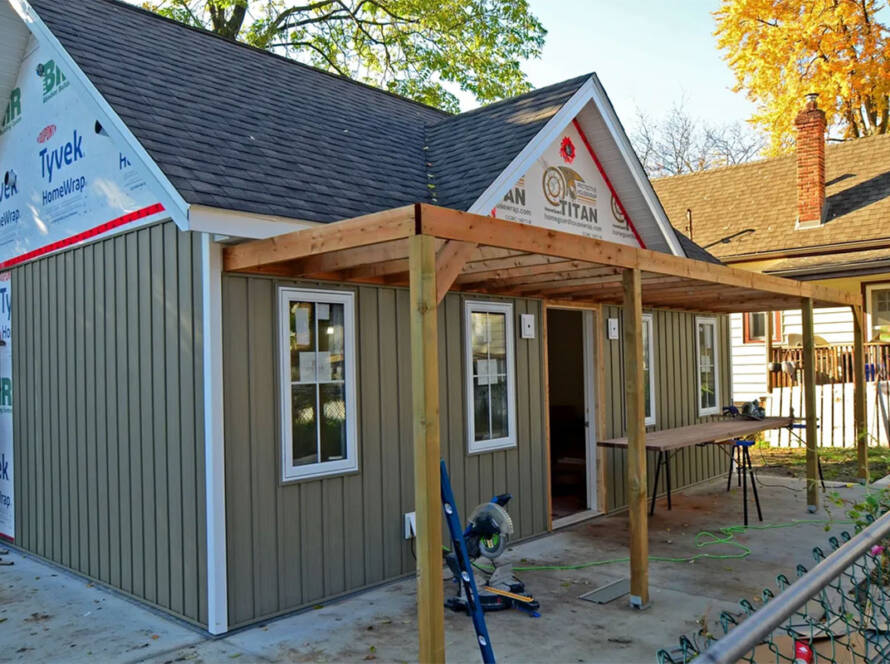
One of the biggest advantages of a laneway tiny home is its flexibility. These homes aren’t just small spaces—they’re adaptable investments that can change as your family’s needs evolve.
Phase 1: Rental Income
Many homeowners start by using their laneway home as a rental property. Benefits include:
- Generating consistent income
- Offsetting mortgage or property costs
- Providing a low-maintenance investment
Phase 2: Family Housing
As family needs change, the laneway home can become a safe, private space for:
- Aging parents or grandparents
- Adult children saving for their first home
- Caregivers or live-in support staff
Separate entrances, utilities, and thoughtful layouts ensure privacy and independence for all occupants.
Phase 3: Downsizing or Retirement Space
Eventually, homeowners themselves may move into the laneway home, freeing up the main house for:
- Rental income
- Guests or extended family
- Investment or resale opportunities
This flexibility allows the property to serve multiple purposes over decades.
Designing for Adaptability
To maximize long-term use, consider:
- Durable finishes: Reduce maintenance and keep the home appealing for years.
- Accessibility features: Wider doorways, step-free entries, or adaptable bathrooms.
- Open layouts: Flexible space that can serve different functions over time.
Planning for the future ensures the home remains valuable and useful no matter how your life changes.